Innovative Architecture Techniques: Exploring New Frontiers in Design

In the ever-evolving world of construction and urban development, innovative architecture techniques are reshaping how we conceive and build our environments. These approaches not only enhance aesthetic appeal but also improve functionality, sustainability, and user experience. This article delves into some of the most groundbreaking methods transforming architecture today, offering practical insights and examples that inspire both professionals and enthusiasts alike.
Embracing Technology in Innovative Architecture Techniques
Technology has become a cornerstone of modern architecture, enabling designers to push boundaries and realize complex visions with precision. From 3D modeling software to virtual reality, these tools facilitate better planning, visualization, and collaboration.
Building Information Modeling (BIM): BIM allows architects and engineers to create detailed digital representations of buildings. This method improves coordination among teams, reduces errors, and streamlines construction processes.
Parametric Design: Using algorithms, parametric design generates adaptable structures that respond to environmental factors such as sunlight, wind, and temperature. This leads to more efficient and sustainable buildings.
Virtual and Augmented Reality: VR and AR technologies enable clients and designers to experience spaces before construction begins, making it easier to make informed decisions and adjustments.
For example, the use of parametric design in the creation of the Beijing National Stadium, also known as the Bird’s Nest, showcases how technology can produce iconic and functional architecture.

What does Architecture design do?
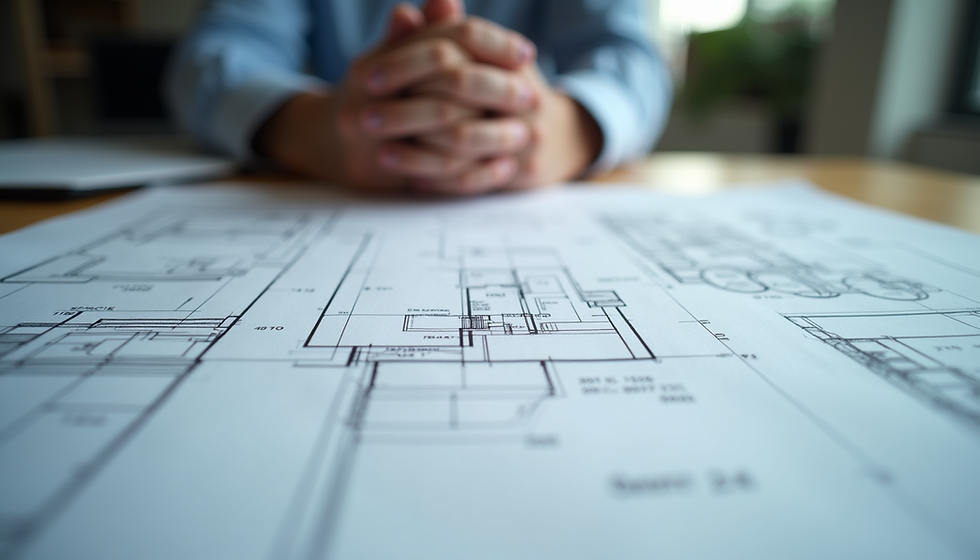
Architecture design serves as the blueprint for creating spaces that are not only visually appealing but also functional and sustainable. It involves the careful planning of structures to meet the needs of users while considering environmental impact, cultural context, and technological possibilities.
Space Optimization: Effective design maximizes the use of available space, ensuring comfort and utility.
Sustainability: Incorporating eco-friendly materials and energy-efficient systems reduces the carbon footprint of buildings.
Cultural Expression: Architecture reflects the identity and values of a community, blending tradition with innovation.
Safety and Compliance: Designs must adhere to building codes and safety standards to protect occupants.
By integrating these aspects, architecture design transforms abstract ideas into tangible environments that enhance quality of life.
Sustainable Materials and Green Building Practices
Sustainability is at the heart of many innovative architecture techniques today. The choice of materials and construction methods significantly impacts the environment and long-term viability of buildings.
Recycled and Renewable Materials: Using reclaimed wood, recycled metal, and bamboo reduces waste and conserves natural resources.
Green Roofs and Walls: These features improve insulation, reduce urban heat, and promote biodiversity.
Passive Design Strategies: Orienting buildings to maximize natural light and ventilation minimizes energy consumption.
Water Management Systems: Rainwater harvesting and greywater recycling contribute to resource efficiency.
An excellent example is the Bosco Verticale in Milan, a pair of residential towers covered in trees and plants, which demonstrates how green architecture can thrive in urban settings.

Adaptive Reuse and Preservation in Modern Architecture
Adaptive reuse involves repurposing old buildings for new functions, preserving cultural heritage while meeting contemporary needs. This approach is both environmentally responsible and economically viable.
Historical Preservation: Maintaining architectural landmarks preserves community identity and history.
Functional Transformation: Old factories, warehouses, and churches can be converted into offices, apartments, or cultural centers.
Reduced Construction Waste: Reusing existing structures minimizes demolition debris and resource consumption.
Creative Design Solutions: Architects often blend old and new elements, creating unique and inspiring spaces.
The Tate Modern in London, a former power station turned art museum, exemplifies successful adaptive reuse that respects history while embracing modernity.
The Role of Smart Buildings in Future Architecture
Smart buildings integrate advanced technologies to enhance comfort, efficiency, and security. These innovations represent the next step in architecture’s evolution.
Automated Systems: Lighting, heating, and cooling adjust automatically based on occupancy and weather conditions.
IoT Integration: Sensors collect data to optimize building performance and maintenance.
Energy Management: Smart grids and renewable energy sources reduce environmental impact.
User-Centric Design: Personalized environments improve occupant well-being and productivity.
For instance, the Edge building in Amsterdam is renowned for its smart technology, offering a highly efficient and user-friendly workspace.
Exploring New Horizons in Architecture Design
The future of architecture lies in the continuous exploration of innovative techniques that balance creativity, functionality, and sustainability. By embracing technology, sustainable practices, adaptive reuse, and smart systems, architects can create spaces that inspire and endure.
For those interested in learning more about the fundamentals and advancements in architecture design, exploring these innovative approaches offers a pathway to understanding how the built environment shapes our lives.
Whether designing a small home or a sprawling urban complex, integrating these techniques can lead to more resilient, beautiful, and meaningful structures that stand the test of time.


Comments